
English language literature teaching can become more creative and engaging when students use zines, comics, pop-ups and D.I.Y. publishing to explore stories, language and ideas.
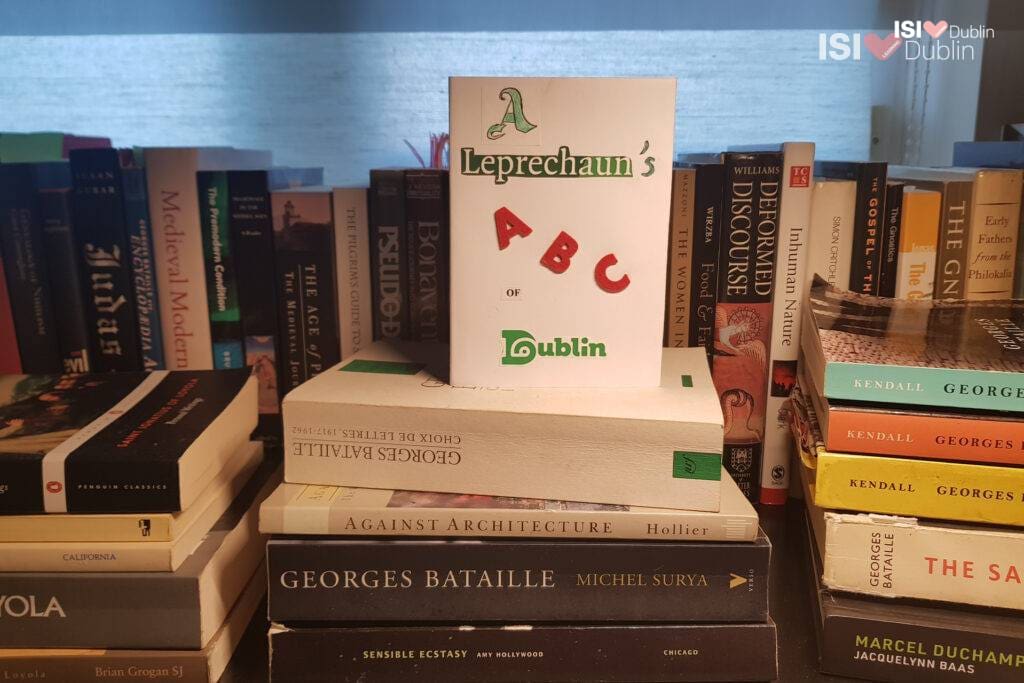
English language literature teaching module
This module was designed to help participants explore practical teaching techniques that can bring literature to life in the English language classroom.
Instead of treating literature only as something to read and analyse, the module looked at ways to make literature active, visual and creative. Participants explored how students can use language through making, designing, discussing and presenting their own work.
Literature teaching methodology
The module focused on simple and practical ways to help learners connect with literature. Using D.I.Y. publishing, teachers can encourage students to create their own texts, images, booklets and classroom projects.
This approach can be especially useful for younger learners because it gives them a clear purpose for using English. Students are not only completing an exercise; they are creating something that can be shared with classmates, teachers and readers.
Zine making for students
DIY publishing classroom activity
Zines are small self-published magazines or booklets. They can include short texts, drawings, opinions, stories, reviews, poems, comics or personal reflections. Because they are simple and flexible, they work well in the classroom.
During the module, participants explored the history and culture of zines and D.I.Y. publishing. They also looked at how these formats can motivate students to use English creatively while developing reading, writing, speaking and visual communication skills.
Primary school English classroom
For primary school students, literature can feel more accessible when it is connected to hands-on activities. Handmade zines, comics, abecedariums and pop-ups can help young learners understand stories, vocabulary, characters and themes in a more active way.
These activities can also support collaboration. Students can work together, share ideas, make decisions and present their work to others. This helps them build confidence while using English for real communication.
Creative classroom materials
The module explored different forms of D.I.Y. publishing, from handmade zines to digital formats. It also looked at comics, abecedariums and pop-up materials as tools for making literature more lively and meaningful.
These classroom materials can help teachers connect literature with creativity, design, storytelling and personal expression. They can also be adapted for different levels, age groups and learning objectives.
Teacher training and classroom practice
Teachers interested in creative classroom methodology can explore our Erasmus courses for teachers in Dublin, which include English language development, Special Topics and practical teaching ideas.
This type of project also connects naturally with Méthodologie EMILE, because students use English to explore literature, culture, art, design and communication at the same time.
Learning beyond the classroom
D.I.Y. publishing and zine-making can help students see English as a tool for creativity, not only as a school subject. These activities make language learning more personal, more collaborative and more memorable.
At ISI Dublin, teacher training can also be combined with cultural activities and real-life English practice. Participants can discover the city through our Social Programme for Teachers in Dublin and learn more about what it is like to study in Dublin.